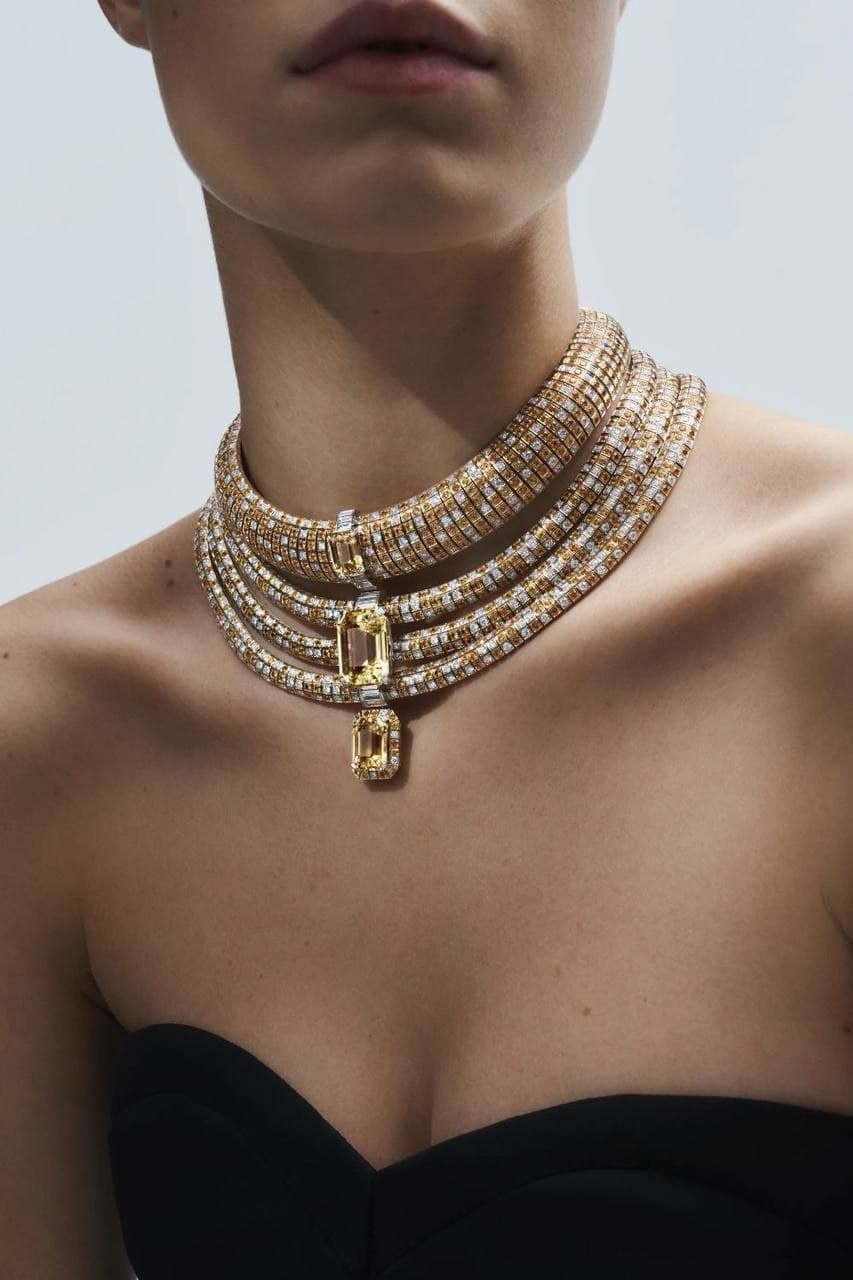
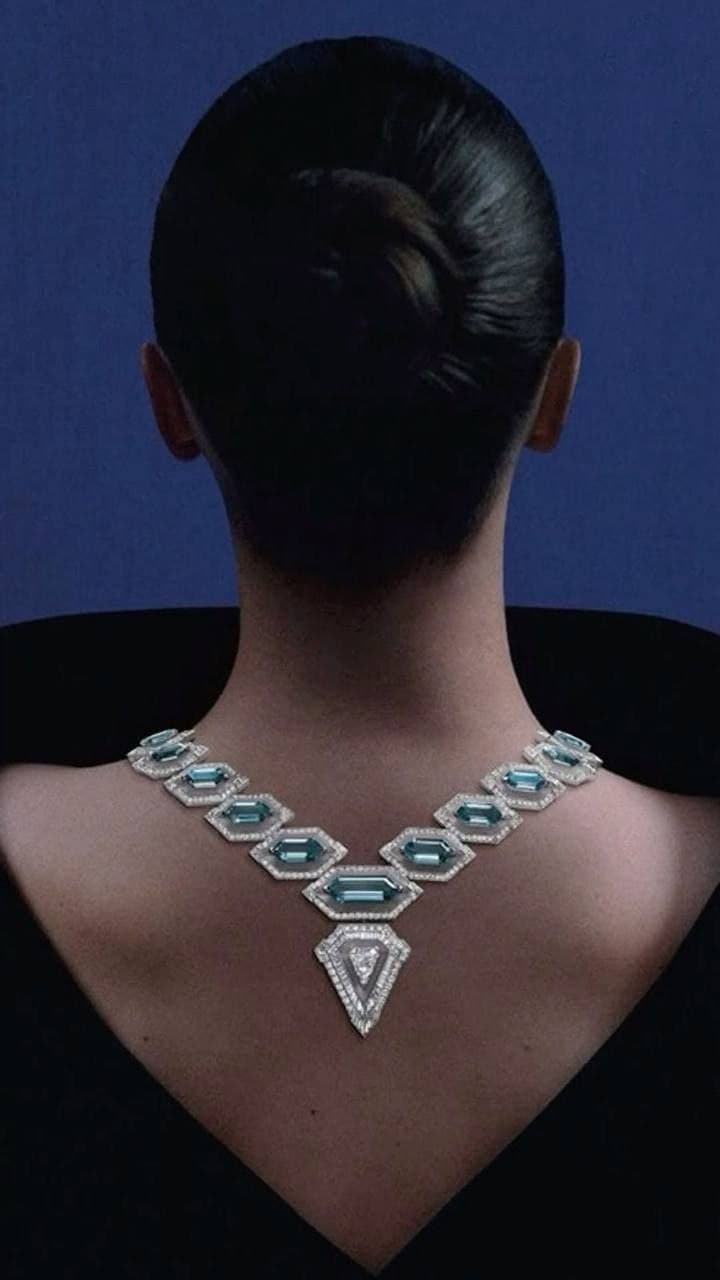
Adorn your reign.
Fine jewellery and high jewellery, rooted in African royalty — cut in Nairobi the way titles are conferred: rarely, exactly, and for life.
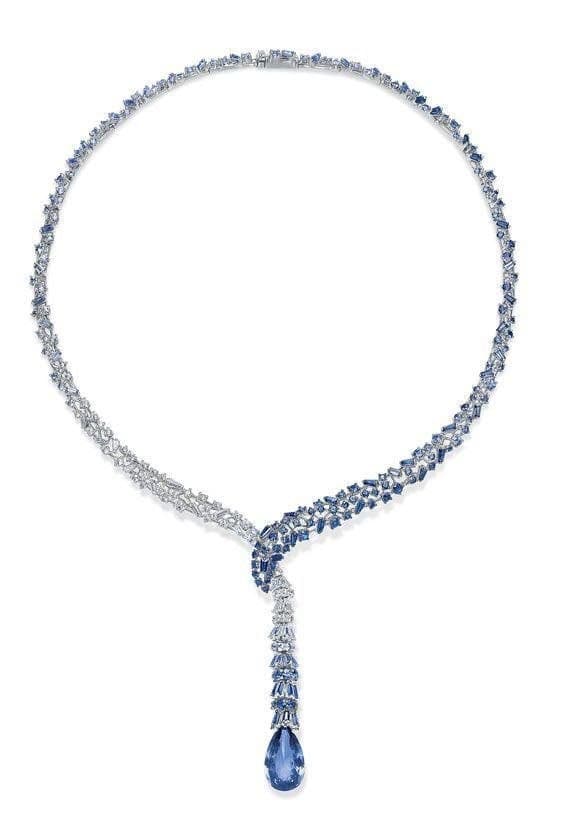 II.Ahadi — the PromiseMade to order from a gouache you approve. Eight to twelve weeks.
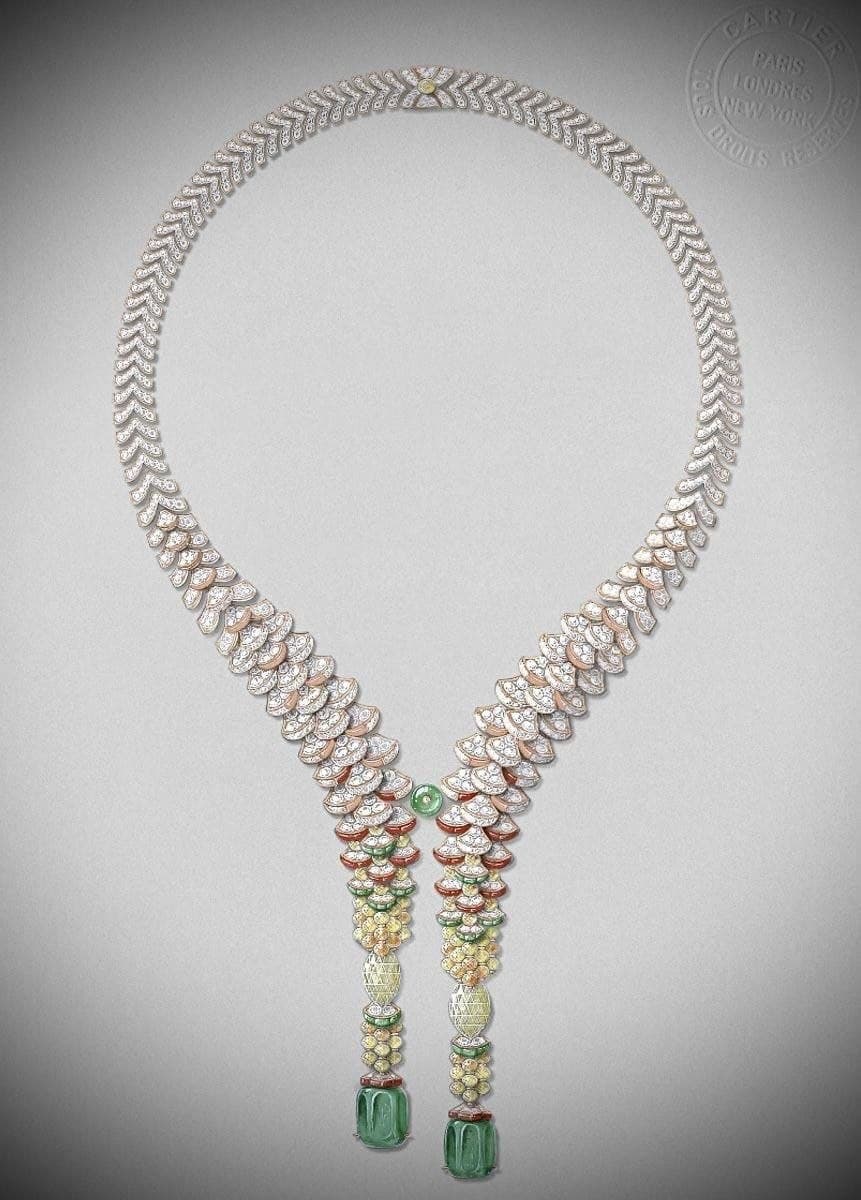 III.Taji — the CrownHigh jewellery, one of one, received in the salon. Prices spoken inside.
Ṣègi
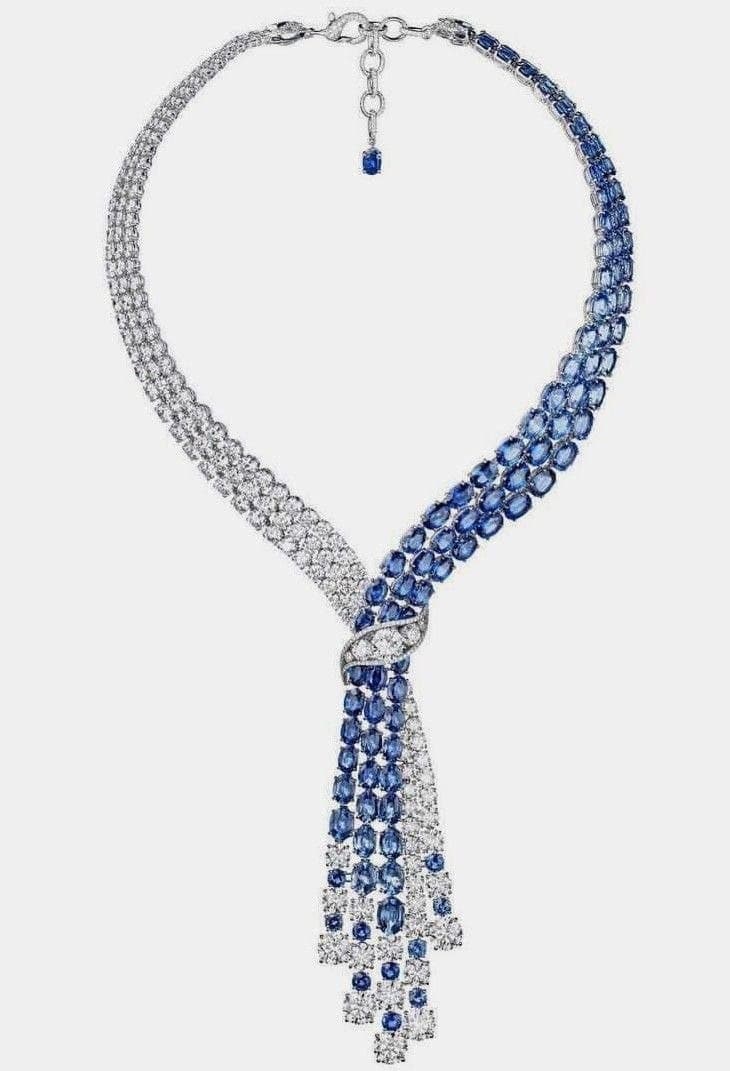
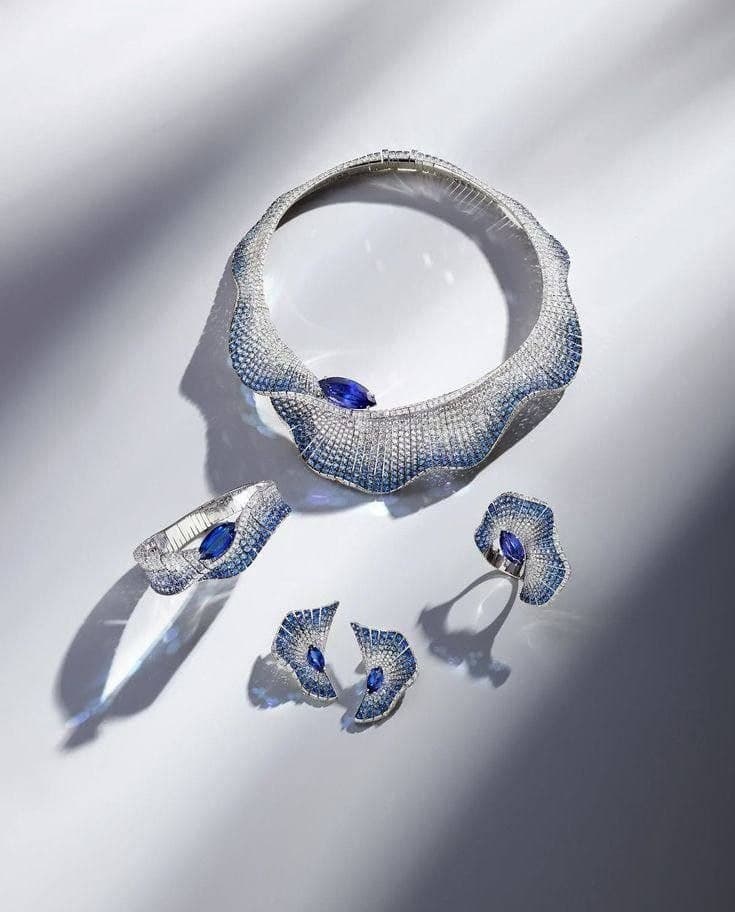
Ṣègi were the blue beads reserved for kings and the royal priesthood, set into the oldest crowns. Rendered here in sapphire and diamond — from deepest royal to palest sky, the blue of the first crowns.
Register of stones
Browse the house by stoneNamed mines, papered stones, cutters paid as craftsmen. Choose a stone to follow it through the house — or read the covenant.
Best of the Line
The Line, entire“Some pieces are not for sale in the ordinary way. Taji is met by appointment — and I bring the case myself.”
My grandmother wore coral the colour of an argument won. She taught me that a queen is not crowned so much as recognised — and that recognition, like colour, must be held with a steady hand.

one of one, received in the salon.
The plates, by lamplight
Figures II — IV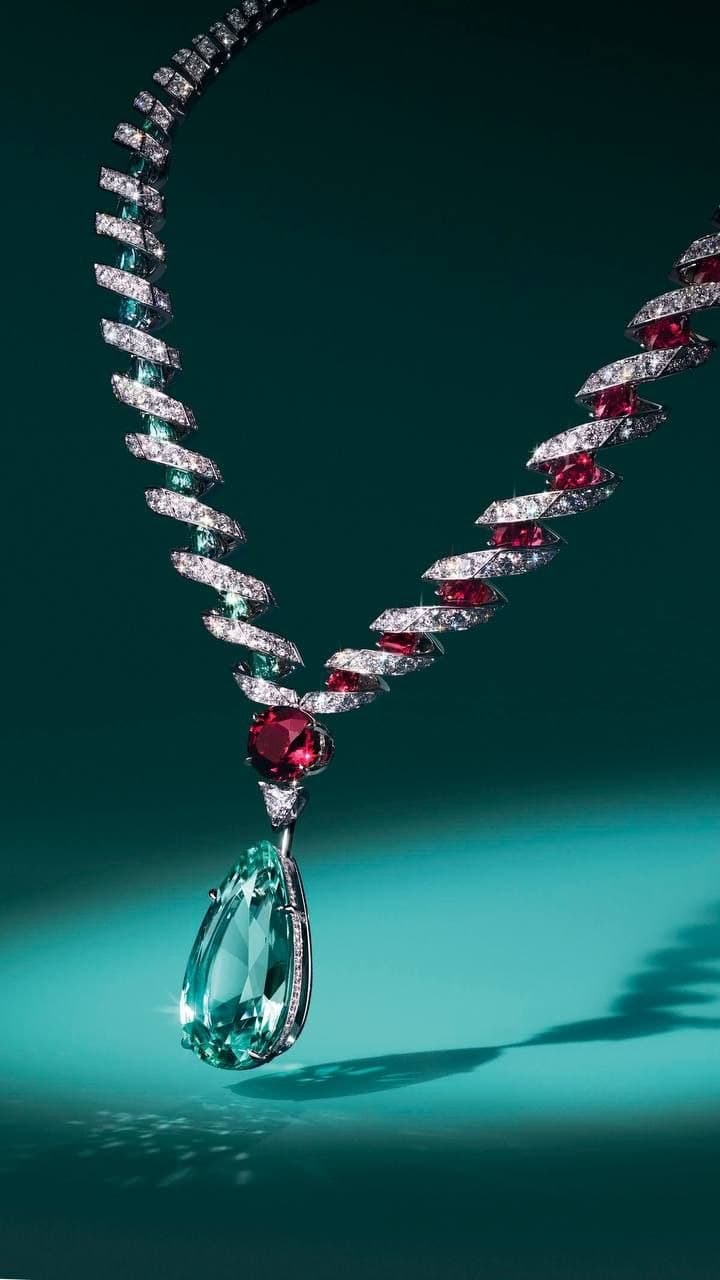
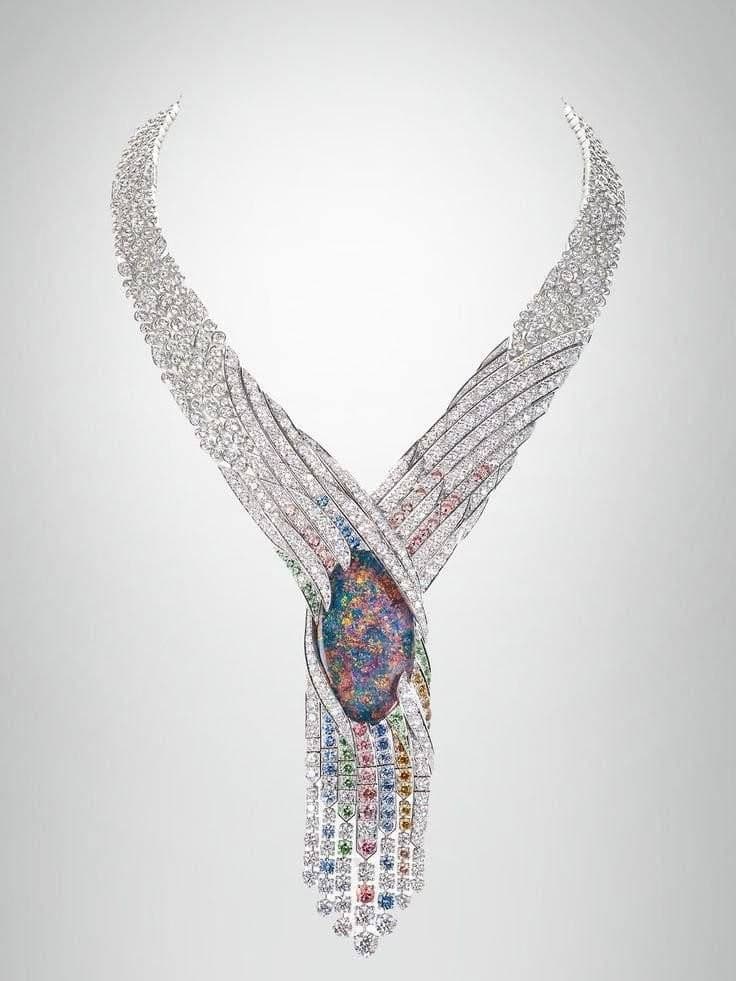

Olori is a Yoruba title — she who is head, the queen beside the crown. A name from one coast of Africa, a house raised on another: we cut colour in Nairobi the way titles are conferred — rarely, exactly, and for life.
Every stone is named, papered, and traced to its African mine. Every setting is drawn by hand in the Nairobi atelier before a single claw is raised.
Enter the Maison — the letter in full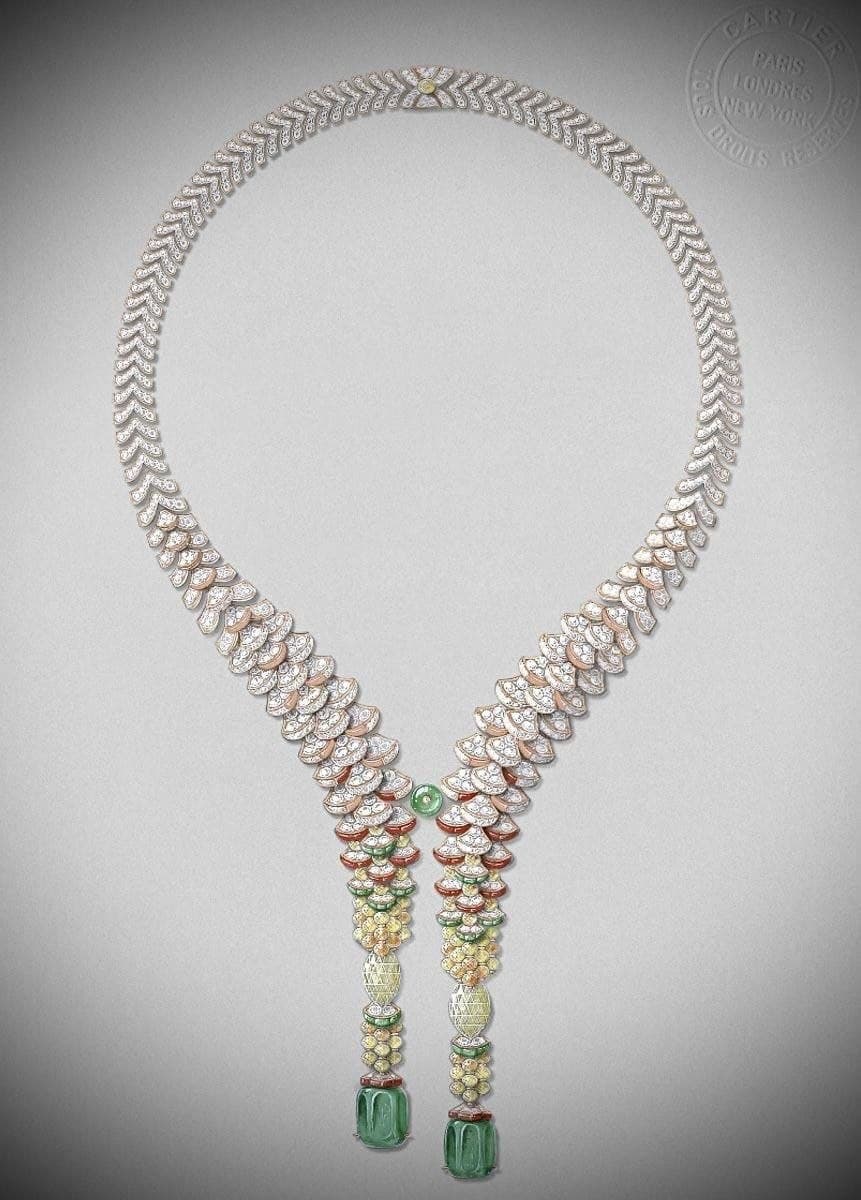
Drawn by hand,
before it is ever set
Each commission begins as gouache on grey paper, the way court jewels have been promised for two centuries. You approve the painting before we touch the gold.
Begin an Ahadi commissionFrom the Journal
Join the court
Letters from the house — one a month, and only when there is something to say. First looks before the vitrine is dressed.
I will tell you plainly what this house is for. Not for the gasp — for the quiet after it, when the room has risen and settled and you have not moved at all.
The letter continues — to Safu, the Line